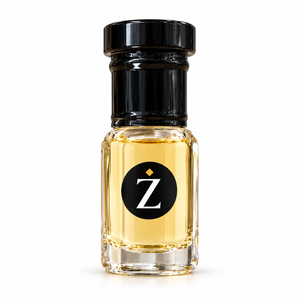
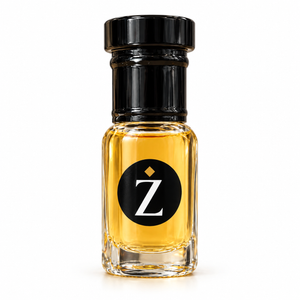
Perfume Oils, An affordable way to explore luxury scents

Perfume oils have moved far beyond the traditional roll-on kept for special occasions. For a new generation of fragrance buyers, they offer an affordable way to explore luxury scent, discover unusual blends and enjoy interpretations of modern premium perfumes without paying for a full designer bottle.
Many younger buyers now build a small fragrance wardrobe, choosing different scents for work, evenings, holidays and changing seasons. Perfume oils suit this approach because they are compact, easy to layer and often available in smaller sizes.
Some are original creations, some are inspired by well-known fragrances, and others follow traditional Arabian perfume styles. Understanding the difference helps you buy with confidence.

Explore the collection
Perfume Oils
Discover Zamoori’s collection of concentrated perfume oils , created for those who want rich fragrance, long-lasting performance and excellent value. Explore alcohol-free Arabian perfume oils, traditional Oud and Musks, and…
Explore Collection →What Are Perfume Oils?
Perfume oils are fragrances carried in an oil-based formula rather than the mainly alcohol-based liquid used in most spray perfumes. They are normally applied directly to the skin with a rollerball, glass wand or dab applicator.
The word “oil” describes the format. It does not guarantee that every ingredient is natural or that the bottle contains undiluted essential oils. Modern perfumery uses natural extracts alongside aroma materials to create effects such as clean musk, leather, amber, sea air and warm woods.
Judge a finished oil by its balance, development and safe cosmetic preparation. Claims such as “100% pure” say little on their own. A suitable carrier helps the fragrance spread evenly and feel comfortable on skin.
Why Are Perfume Oils Popular With Younger UK Buyers?

Fragrance has become more personal, experimental and social. TikTok, YouTube and online fragrance communities have made perfume easier to discuss, while samples, travel sizes and affordable alternatives have lowered the cost of trying something new.
UK market reporting shows that shoppers remain highly engaged with fragrance but are becoming more selective and value-conscious. Minis, discounts and alternatives to premium brands are therefore attracting more attention.
Instead of saving one expensive bottle for weekends, many buyers want several scents for different moods. Layering oils, sprays and body products has also become part of the experience.
Gourmand scents remain popular, but newer styles balance sweetness with coffee, pistachio, fruit, woods, spice and musk. Juicy fruit, soft skin musks, unisex blends and unusual green notes are also gaining attention.
Original Blends and Premium Scent Interpretations
A strong collection of perfume oils should offer both originality and familiarity.
Original blends are fragrances in their own right. They may combine oud with rose, vanilla with tobacco, citrus with amber, or white musk with soft florals, especially Arabian Perfume Oils. These are ideal when you want something less recognisable and more personal.
The best original blends are not unusual simply for the sake of being different. They still need balance, structure and a clear character. Each note should contribute to the finished fragrance rather than competing for attention.
Inspired or scent-matched perfume oils serve a different purpose. They are made for buyers who already like the style of a well-known premium fragrance and want a more accessible way to wear a similar scent profile.

Explore the collection
Inspired Perfume Oils
Discover one of the UK's largest collections of inspired perfume oils , expertly crafted to capture the character of the world's most iconic designer fragrances. Whether you are looking for an affordable alternative to a…
Explore Collection →A good interpretation should capture the recognisable character of the fragrance. This might be sparkling citrus, creamy vanilla, dark woods, clean musk or sweet amber. It should still be sold under its own name and identity rather than pretending to be the original branded product.
It is also important to have realistic expectations. An inspired oil is not the original perfume poured into a smaller bottle, and it may not develop in exactly the same way.
Moving from an alcohol spray to an oil base can soften the opening, bring the heart and base notes forward and make the fragrance sit closer to the skin. For many wearers, this smoother and more personal result is part of the appeal.
Accuracy is only one measure of quality. The real question is whether the oil smells good on you, feels balanced and gives you the experience you wanted. Some buyers seek a close alternative to a favourite scent, while others use familiar fragrances as a route into more individual oils.
Do Perfume Oils Last Longer Than Spray Perfume?

They can, but there is no honest rule that every perfume oil will outlast every eau de parfum.
Performance depends on the formula, concentration, fragrance materials, skin type, temperature and amount applied. Fragrance experts also caution that format alone does not determine lasting power.
Oil does not disperse as quickly as alcohol, so perfume oils often develop more slowly and remain noticeable close to the skin. Deep notes such as musk, amber, vanilla, patchouli, woods and resins also tend to remain noticeable longer than bright citrus or delicate green notes.
Longer wear does not always mean stronger projection. A spray creates a wider cloud because it covers a larger area and the alcohol evaporates quickly. An oil is usually more controlled and intimate.
Someone sitting beside you may notice your perfume oil clearly, but it may not fill a room like a powerful spray. This makes oils particularly suitable for work, travel, restaurants, university or anywhere you want to smell good without overwhelming the people around you.
For more projection, apply a small amount of oil, allow it to settle and then use a light spray of a matching or complementary fragrance. The oil provides a lasting base while the spray creates lift around it.
How to Apply Perfume Oil Properly

Start with clean skin and use less than you think you need. Perfume oils can be concentrated, so a small amount is often enough.
Apply a short roll or dab to warm areas such as:
-
The wrists
-
The inner elbows
-
The sides of the neck
-
Behind the ears
-
The upper chest
Allow the fragrance to settle rather than rubbing your wrists together. Rubbing spreads the perfume quickly and can make it more difficult to experience how the opening develops naturally.
Dry skin can make fragrance seem to disappear sooner. Applying an unscented moisturiser first gives the oil a smoother surface to sit on. Begin with one or two application points, then add more only after you understand the strength of that particular formula.
Avoid rolling perfume oil heavily onto clothing. Oils can mark pale, delicate or absorbent fabrics, and the fragrance is designed to develop on warm skin. A matching spray is usually the better option when you want scent on clothing.
How to Choose Perfume Oils Online
Buying fragrance online becomes easier when you start with the fragrance families and notes you already enjoy.
Fresh perfume oils often use citrus, bergamot, white musk, soft woods, marine notes or aromatic herbs. These work well for daytime wear, warmer weather and people who prefer a clean fragrance.
Sweet perfume oils may contain vanilla, caramel, honey, tonka, chocolate or fruit. Modern sweet fragrances are not always sugary. Woods, musk, spice or tobacco can add contrast and make the sweetness feel more refined.
Darker evening fragrances often include oud, leather, tobacco, incense, amber, patchouli and spice. These tend to feel warmer, richer and more noticeable.
Floral oils can range from light jasmine and orange blossom to deeper rose, iris and tuberose blends. Do not dismiss an entire fragrance family based on one note. A rose fragrance combined with oud and spice will smell very different from a fresh rose mixed with citrus and white musk.
Read how the fragrance is described in plain language. Does it sound bright or heavy, sweet or dry, clean or smoky? A useful description should help you imagine when you would wear it, not simply provide a long list of notes.
Reviews can help, but skin, application and personal sensitivity vary. Look for repeated themes rather than relying on one dramatic opinion.
A 3ml or 6ml roll-on can provide many wears and lets you test the full development over several days. This is more useful than judging a fragrance from one quick sniff.

Explore the collection
Arabian Perfume Oils
Discover the depth and tradition of Arabian perfume oils , crafted for those who appreciate richness, longevity, and purity. These concentrated, alcohol-free perfume oils offer a smooth, skin-close scent experience that develops…
Explore Collection →What Should You Expect From a Quality UK Seller?
A trustworthy seller should provide clear product information, realistic descriptions, sensible use instructions, ingredients on the product or packaging, and a UK contact or Responsible Person.
Cosmetics sold in Great Britain must have a Responsible Person who oversees safety, documentation, labelling and product notification. Fragrance ingredients are also covered by recognised safety standards that restrict or prohibit certain materials where necessary.
Look for clear bottle sizes, accurate scent descriptions, honest wording around inspired fragrances and proper safety information.
Be cautious when every product is described as identical to a premium original, guaranteed to last all day or suitable for every skin type. Good fragrance sellers understand that perfume is subjective and that performance can differ from person to person.
An alcohol-free formula may be important for personal, cultural or religious reasons, but do not assume every product described as a perfume oil is automatically alcohol-free. Check the product information or ask the seller before ordering.
People with sensitive skin should review the ingredients, patch test a small area and stop using the product if irritation occurs. Oil-based does not automatically mean hypoallergenic or suitable for every skin type.
Are Perfume Oils for Men or Women?
Modern fragrance shopping is moving away from strict gender labels. Vanilla can be smoky, rose can be woody, and oud can be softened with fruit or clean musk.
Use gender categories only as a rough guide. Focus on the scent profile and how you want to feel when wearing it. Fresh citrus, clean musk, amber and woody vanilla are easy starting points for unisex fragrance.
Many people discover that they enjoy fragrances marketed outside their usual category. A perfume labelled for men may have the dry woods or fresh citrus a woman prefers, while a floral or vanilla fragrance marketed for women may smell warm and balanced on a man.
Your skin, taste and confidence matter more than the wording on the label.
Can Perfume Oils Be Layered?

Yes. Layering is one of the best reasons to own several smaller perfume oils.
Vanilla can soften tobacco, leather or oud. Musk can make floral fragrances feel cleaner. Citrus can brighten amber, while sandalwood can add warmth to fruit.
Apply the deeper or heavier fragrance first, then add the fresher oil lightly. Test new combinations at home and keep the total amount controlled. Two well-chosen scents usually work better than four strong oils mixed together.
You can also layer a perfume oil with a spray fragrance. They do not have to be exact matches, but they should share a note or similar mood. A vanilla oil can work under a warm amber spray, while a clean musk oil can support a fresh citrus perfume.
Finding the Right Perfume Oil
The best perfume oils are not simply the strongest, the most expensive or the closest copy of a famous fragrance. They are the ones you enjoy wearing and reach for regularly.
Start with a familiar scent family, choose a smaller size and wear it in different settings. Notice the opening, how it changes after an hour and what remains later in the day.
You will soon learn whether you prefer clean skin scents, sweet gourmands, fresh citrus, rich Arabian blends, modern woods or scent-matched versions of premium favourites.
A well-made oil gives you an affordable and flexible way to learn what suits you, build a fragrance wardrobe and discover scents that feel personal.
Whether you begin with a familiar interpretation or a completely original blend, the aim is the same: to find a fragrance that feels right on your skin and fits naturally into your life.