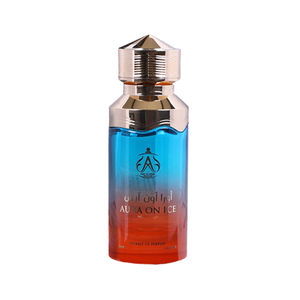
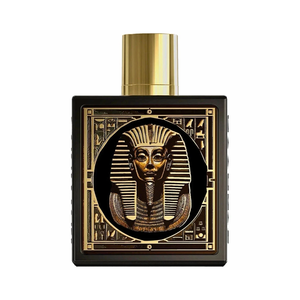
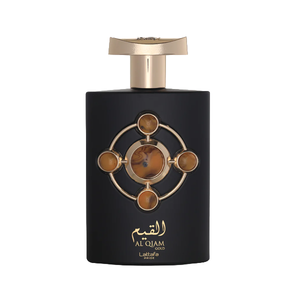
Top 25 Notes in Arabian Perfumes
 Discover the most iconic Arabian perfume notes and what they actually do inside a fragrance. If you are researching Middle Eastern fragrance notes, this list breaks down what each note smells like, where it sits (top, heart, base), what it is commonly paired with in Arabian perfumery, and the style of perfume you can expect when you see it on a label.
1. Oud

Oud (agarwood) is the signature of Arabian oud perfumery. It exudes a rich, woody, and smoky aroma, sometimes with leathery or sweet nuances, depending on its treatment. In Middle Eastern perfumes, oud serves as a foundational base note, anchoring the scent with a deep, long-lasting trail synonymous with luxury attars and extrait-style blends. Often combined with rose, saffron, amber, sandalwood, or musk, it creates the classic oud and rose profile, cherished for its opulent and enduring character. It is widely prized across Arabian perfumery.
2. Musk

In modern perfumery, musk often signifies “clean skin musk” rather than animalic musk, though Middle Eastern blends can lean warmer and deeper. Musks can feel powdery, creamy, soapy-clean, or slightly sweet, and they are used to smooth sharp edges and make the scent cling to skin. In Arabian notes lists, musk usually signals a soft, luxurious dry-down, often layered with amber, sandalwood, rose, or vanilla to create that “fresh but rich” aura, enhancing the overall fragrance experience. It is widely prized across Arabian perfumery.
3. Vanilla

Vanilla in Arabian perfumery exudes a golden warmth that balances darker notes like oud and leather. It imparts creaminess, comfort, and a gentle sweetness, enhancing the fullness and longevity of fragrances. In amber-rich Middle Eastern styles, vanilla offers a smooth, lingering finish. UK buyers will appreciate its ability to soften and enrich the overall perfume experience, making it a beloved choice in perfumery, where its comforting presence adds depth and allure to any composition. It is widely prized across Arabian perfumery.
4. Amber

Amber is one of the most searched Middle Eastern fragrance notes, but it is not a single ingredient. It is a warm accord built around resins, balsamic sweetness, and soft vanilla-like warmth. In Arabian perfumery, amber is used to create that glowing, rich, “golden” base that makes a scent feel expensive and enveloping. Expect amber to sit in the base with oud, musk, vanilla, labdanum-style resins, and sometimes saffron for extra luxury, enhancing the scent's depth and richness.
5. Bergamot

Bergamot is the classic citrus opener, used to make heavy scents feel brighter and more wearable. In Arabian notes structures, bergamot often appears in the top to lift the opening before the fragrance drops into richer woods, spices, and resins. If you see bergamot in a Middle Eastern scent, it usually means the perfume starts fresh and clean, then turns warm and deep as the base notes arrive. UK customers will enjoy its refreshing burst that transitions into a luxurious dry-down.
6. Patchouli

Patchouli provides earthy depth and a slightly sweet woody tone. In Arabian perfumery, patchouli enriches amber and oud bases, adding structure to sweet compositions. It harmonises beautifully with vanilla, amber, and rose, prevalent in bold Middle Eastern styles. UK buyers will appreciate its ability to add complexity and longevity to a fragrance, making it a cherished ingredient in perfumery. Its unique character brings a sense of mystery and allure, enhancing the overall fragrance experience. It is widely prized across Arabian perfumery.
7. Rose

Rose is central to Arabian perfumery, especially in classic oud and rose compositions. Middle Eastern rose often feels richer and more jammy than airy, modern “fresh rose” styles, creating a romantic, luxurious core that can stand up to oud, saffron, amber, and musk. If someone searches Arabian notes rose, they are usually looking for that deep, elegant rose that feels warm, not sharp. UK buyers will find it adds elegance to any scent, enhancing its sophistication and allure.
8. Sandalwood

Sandalwood adds creamy, smooth woods and a calm, soft warmth that makes intense blends feel polished. In Middle Eastern perfumes, sandalwood is a common base note used to soften oud, amber, and spice accords, and it gives a velvety dry-down. Sandalwood and musk are among the most “skin-scent luxury” combinations in Arabian-style perfumery. Its ability to add a sophisticated, silky finish to their fragrance elevates the overall scent profile, making it a cherished choice in perfumery. It is widely prized across Arabian perfumery.
9. Jasmine

Jasmine in Arabian perfume notes tends to be lush, sensual, and slightly indolic, meaning it can feel warm and narcotic rather than just floral. It often sits in the heart and adds richness to rose, orange blossom, amber, or musk-heavy bases. If you are researching Middle Eastern fragrance notes jasmine, expect it to be used for glamour and depth, not just freshness. UK customers will find it adds an exotic, opulent touch to any perfume, making it a captivating choice in perfumery.
10. Tonka Bean

Tonka bean offers a blend of vanilla, almond, and light spice. In Arabian notes, tonka creates creamy sweetness without being overly sugary. It complements amber-vanilla bases and blends seamlessly with woods and musk for a smooth dry-down. UK buyers will appreciate its ability to add a sophisticated sweetness to their fragrance, enhancing the depth and richness of the scent, making it a valuable component in perfumery. Its unique character brings warmth and allure to any composition. It is widely prized across Arabian perfumery.
11. Cedar

Cedar introduces clean, dry woods that provide structure and a crisp backbone. In Middle Eastern perfumes, cedar balances sweet amber or vanilla, adding a refined, woody frame around florals and spices. Cedar combined with oud is common when a fragrance aims to feel woody and modern. UK customers will find it adds a contemporary, elegant touch to any scent, making it a versatile choice in perfumery, where its presence enhances the overall fragrance experience. It is widely prized across Arabian perfumery.
12. Lavender

Lavender brings aromatic freshness with a **herbal**, slightly woody cleanliness. In Arabian perfumery, lavender brightens dense bases, offering a classy opening before transitioning into amber and woods. Lavender is prevalent in Middle Eastern-inspired masculine scents, providing a fresh top with a rich, long-lasting base. UK buyers will enjoy its fresh, invigorating start that evolves into a deeper, luxurious finish, making it a cherished component in perfumery for its timeless appeal. Its presence is widely prized across Arabian perfumery traditions, enhancing fragrance complexity.
13. Vetiver

Vetiver is **smoky**, earthy, and green, adding dryness and elegance to the base. In Middle Eastern fragrance notes, vetiver refines amber and oud, reducing sweetness and creating a grounded finish. Vetiver is often combined with citrus, spices, and cedar in Arabian-style blends. UK buyers will appreciate its ability to add a sophisticated, earthy depth to their fragrance, making it a distinguished choice in perfumery. Its presence enhances the overall scent profile, making it a valued element in Arabian perfumery, celebrated for its unique character.
14. Lemon

Lemon is a dynamic note in perfumery, offering a sharp, bright character that cuts through the richness of a fragrance's opening. In Arabian perfume notes, lemon heralds a fresh start before transitioning into deeper layers of woods and resins. Its presence is appreciated when a perfume aims to create a clean aura, ensuring a dry-down that resonates with Middle Eastern bases. On the skin, lemon provides an invigorating burst, making it a cherished component in perfumery. It is widely prized across Arabian perfumery.
15. Saffron

Saffron is a cornerstone of Arabian perfumery, known for its warm, leathery nuances with a hint of metallic allure. This luxurious note resides in the heart of a fragrance, elevating it to an exotic status. Combined with oud, amber, or rose, saffron creates a rich tapestry that speaks to Middle Eastern sophistication. On the skin, saffron unfolds with a golden warmth, enveloping the wearer in elegance and mystery. Its presence in a scent signifies opulence and depth, making it a cherished choice in perfumery.
16. Cinnamon

Cinnamon brings comforting warmth and sweet spice to perfumery, creating an inviting atmosphere. In Middle Eastern perfumes, cinnamon forms the heart, blending with vanilla and woods to craft a rich core. Its presence enhances the allure of rose and resins, evoking a vibrant spice market ambience. On the skin, cinnamon adds a cosy dimension, making it a beloved choice for those who appreciate the Arabian essence of warmth and spice. Its ability to transform a fragrance into a warm embrace is unmatched.
17. Orange Blossom

Orange blossom is a radiant floral note that brings a luminous, honeyed quality to a fragrance's heart. In Arabian perfumery, it brightens dense bases, adding elegance to compositions with amber and musk. This note is essential for creating Middle Eastern scents that exude softness and radiance. On the skin, orange blossom unfolds with a gentle presence, offering a balance of floral beauty and sweetness. Its ability to enhance the overall fragrance experience makes it a cherished component in perfumery. It is widely prized across Arabian perfumery.
18. Pink Pepper

Pink pepper delivers a sparkling, rosy freshness that enlivens a fragrance's opening. Within Arabian notes, it provides an initial burst of energy before deeper layers unfold. Its lively character complements rose and citrus, especially in Middle Eastern blends. On the skin, pink pepper offers a dynamic quality, making it a favoured choice for those who appreciate a vibrant fragrance. Its ability to enhance the overall experience makes pink pepper cherished in perfumery, adding a touch of excitement to any scent.
19. Apple

Apple introduces a crisp sweetness and modern fruity brightness to perfumery. In Middle Eastern perfumes, apple makes rich bases more approachable, infusing freshness before settling into deeper notes of amber and woods. This note is a hallmark of fresh sweet Arabian-inspired profiles with strong longevity. On the skin, apple unfolds with a lively presence, appealing to those seeking a fragrance that balances youthful exuberance. Its refreshing character makes it a popular choice for those who enjoy a vibrant, modern scent.
20. Leather

Leather is a cornerstone in Arabian perfumery, offering smoky warmth and a suede-like richness. This bold note often combines with saffron, oud, and spices, crafting a luxurious profile that exudes opulence. On the skin, leather imparts depth and intensity, appealing to those who appreciate a commanding and sophisticated scent. Its presence signals a fragrance that leaves a lasting impression, making it ideal for individuals seeking a scent with rich textures. Leather's allure lies in its ability to evoke a sense of grandeur.
21. Mandarin Orange

Mandarin orange provides a sweet, sunny top note that brightens any fragrance. In Middle Eastern perfumery, it infuses openings with elegant sweetness, setting the stage for richer layers. Harmonising with amber and musk, creating a warm, inviting scent. On the skin, it offers a cheerful introduction, popular among those who appreciate a friendly yet luxurious fragrance. The overall experience makes mandarin orange a cherished component in perfumery, adding a touch of brightness and joy to any composition. It is widely prized across Arabian perfumery.
22. Ambergris

Ambergris holds a revered place in Arabian perfumery, though modern fragrances often utilise an ambergris-style accord. This note imparts a salty, musky, and slightly marine depth, enhancing both projection and longevity. In Middle Eastern compositions, ambergris effects lend oud, woods, and musks an expansive, radiant quality, as if the scent possesses more "air" and trail. On the skin, ambergris creates a nuanced and sophisticated aura, making it a sought-after choice for those who appreciate depth and complexity. It is widely prized across Arabian perfumery.
23. Black Pepper

Black pepper introduces a sharp, dry spice, adding distinctive energy to fragrances. In Arabian notes, it's often featured in the top or heart to contrast with sweet amber or florals. This note ensures that rich Middle Eastern bases maintain a dynamic edge. On the skin, black pepper provides a vibrant touch, ideal for those who appreciate a bold, spirited fragrance. Its invigorating character makes it a valuable tool in crafting scents with a lively and engaging profile, adding a touch of excitement to Arabian perfumery.
24. Violet

Violet is celebrated for its powdery, soft character, evoking elegance. In Middle Eastern perfumes, it adds refinement to compositions with woods and spices, creating a smooth profile. This note is perfect for crafting understated, sophisticated fragrances. On the skin, violet unfolds gently yet distinctively, favoured by those seeking a stylish Arabian-inspired scent. It makes it a choice for modern, classy compositions that resonate with subtlety and charm, offering a touch of floral grace. It is widely prized across Arabian perfumery.
25. Ginger

Ginger brings a warm, bright spice to Arabian perfumery, offering fresh energy to compositions. It elevates heavy bases with lively sparkle, complementing woods and musks. Often paired with citrus, ginger creates a vibrant opening that transitions into deep layers typical of Middle Eastern scents. On the skin, it imparts a dynamic presence, appealing to those who enjoy a fragrance balancing freshness with the depth of traditional Arabian compositions. Its invigorating nature makes it a beloved choice. It is widely prized across Arabian perfumery.